Kathmandu,Nepal: Subsequence delay, a common challenge in aviation, refers to delays caused by the cascading impact of an earlier disruption in an aircraft's schedule. Unlike primary delays, which result from initial issues such as technical malfunctions, weather conditions, or crew shortages, subsequence delays occur when subsequent flights operated by the same aircraft or crew are delayed as a result of the initial setback.
Causes of Subsequence Delays
Subsequence delays often stem from tightly scheduled flight operations, where there is minimal turnaround time between flights. When one flight is delayed, it disrupts the entire sequence of flights scheduled for the same day. Factors such as air traffic congestion, late arrivals, or extended maintenance checks contribute significantly to this domino effect.
The Impact on Airlines and Passengers
- Operational Challenges: Airlines face increased costs due to fuel consumption, overtime pay, and potential compensation claims. Managing such delays requires complex rescheduling efforts.
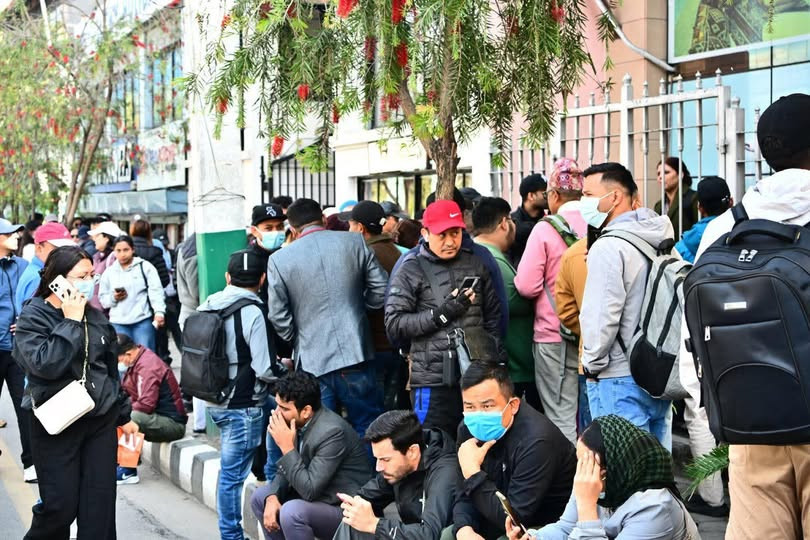
- Passenger Inconvenience: Travelers experience missed connections, prolonged waiting times, and potential disruptions to their plans.
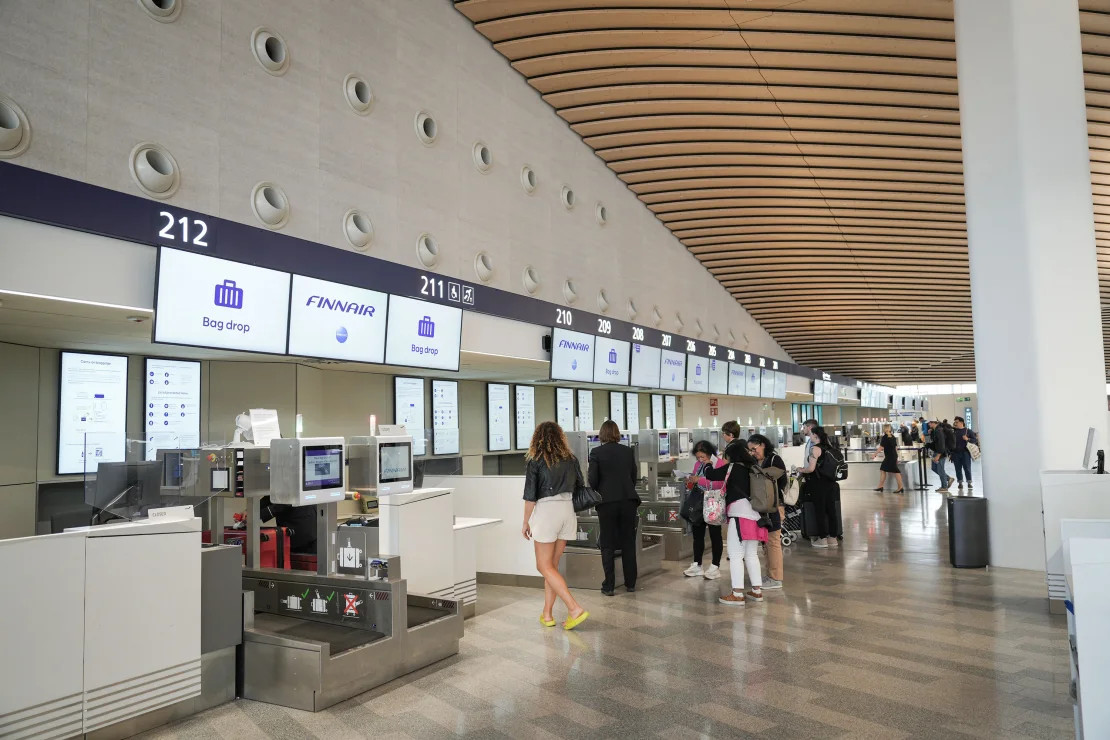
- Airport Congestion: Subsequence delays can lead to overcrowding at gates and terminals, complicating ground operations.
Mitigation Strategies
Airlines and airports employ several measures to minimize subsequence delays, including:
- Improved Scheduling: Building buffer times between flights to accommodate potential delays.
- Real-Time Monitoring: Using advanced technology to track delays and proactively manage schedules.
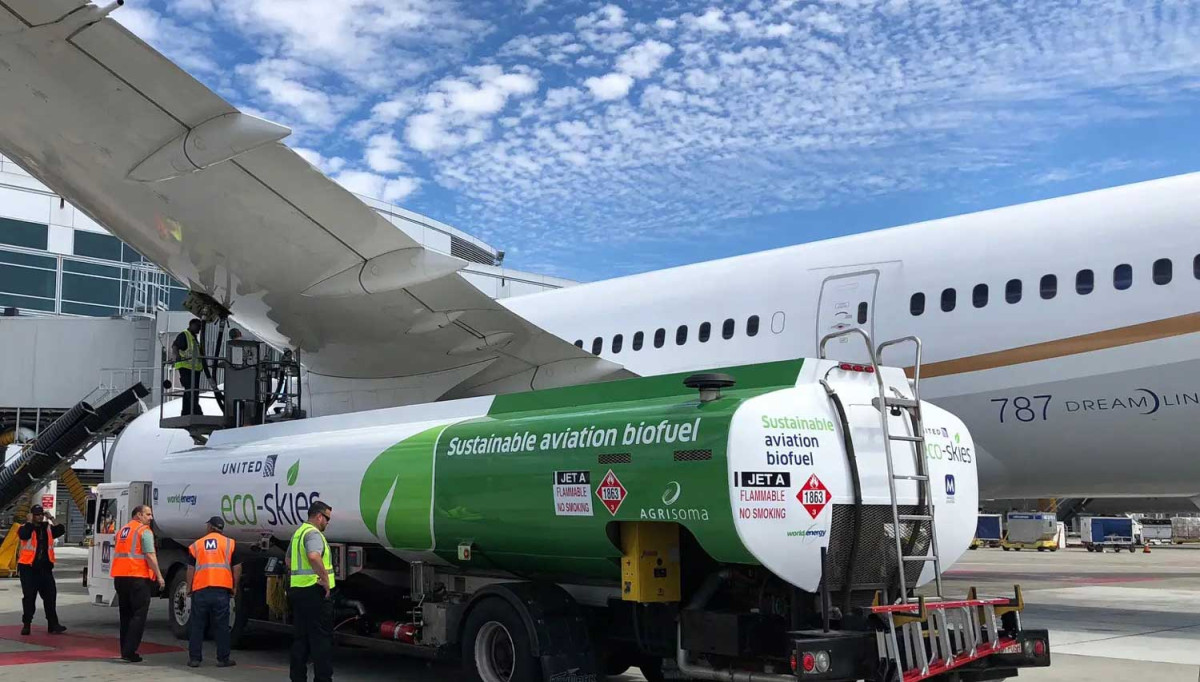
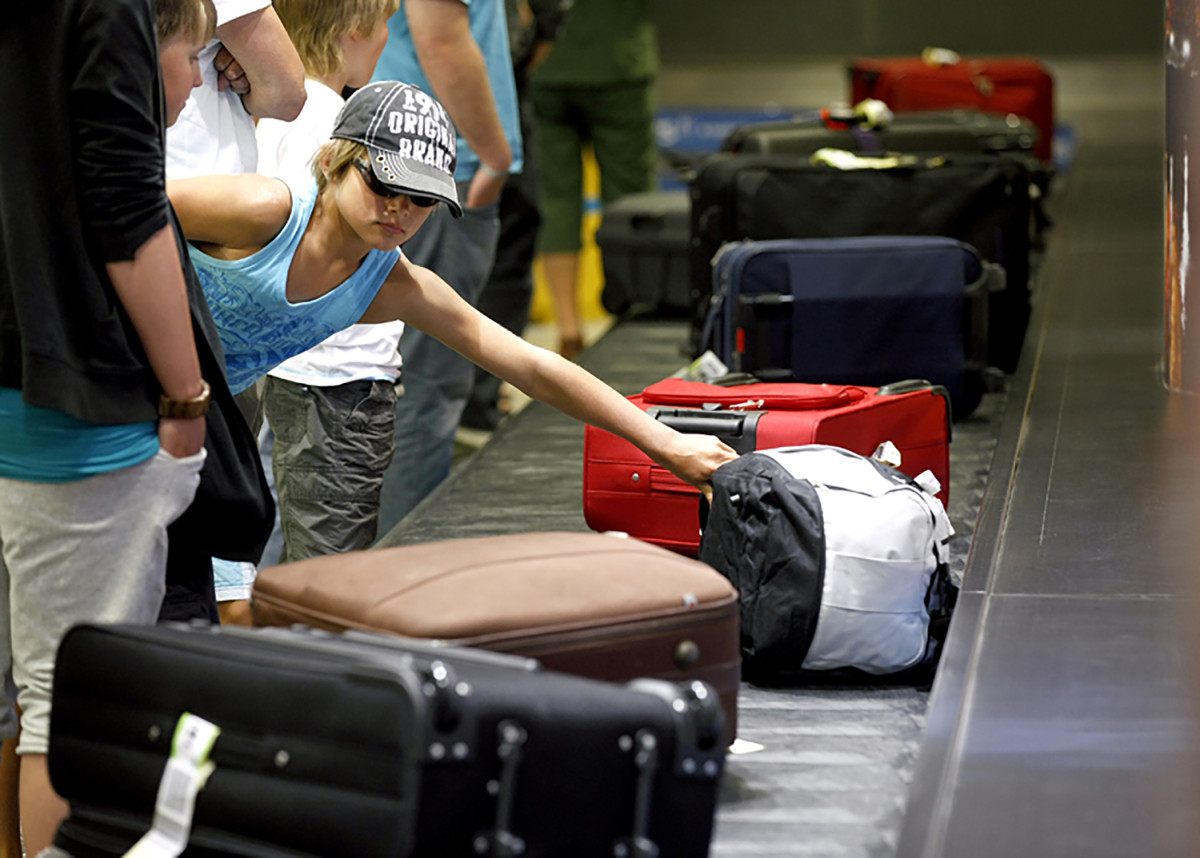
- Efficient Turnaround Processes: Streamlining boarding, refueling, and baggage handling to reduce turnaround time.
- Flexible Crew Management: Deploying backup crews to avoid extended delays.
A Call for Collaboration
Subsequence delays highlight the interconnected nature of the aviation ecosystem. To address this issue effectively, airlines, airports, and air traffic management systems must work collaboratively to ensure smoother operations, enhancing both efficiency and passenger satisfaction.
Understanding and addressing subsequence delays is essential for a resilient and reliable aviation industry, ensuring that the skies remain a convenient and efficient mode of travel.






From Facebook