MUMBAI, India: Alliance Air, India’s state-owned carrier dedicated to regional connectivity, has rolled out a pilot program, 'Fare Se Fursat' (One Route, One Fare), introducing a uniform, fixed-price ticketing model designed to eliminate price volatility on select short-haul routes. The initiative, running from October 13 to December 31, 2025, represents a significant policy-driven effort to make regional air travel more affordable and accessible under the larger UDAN (Ude Desh ka Aam Nagrik) scheme.
The fixed-fare model applies to crucial regional sectors, including Delhi-Shimla, Jabalpur-Jagdalpur, and key links in the North and Northeast like Guwahati-Aizawl, ensuring the same price is paid whether the ticket is booked months in advance or on the day of departure.
Jaideep Mirchandani, Group Chairman of Sky One, praised the move, noting its direct benefit to the common traveller. "One of the major concerns for passengers has always been the airfare. During peak seasons, they often have to pay higher prices, and when booking at short notice, they bear the impact of volatility," Mirchandani stated. "If the state comes forward to address this concern, it is undoubtedly a positive step."
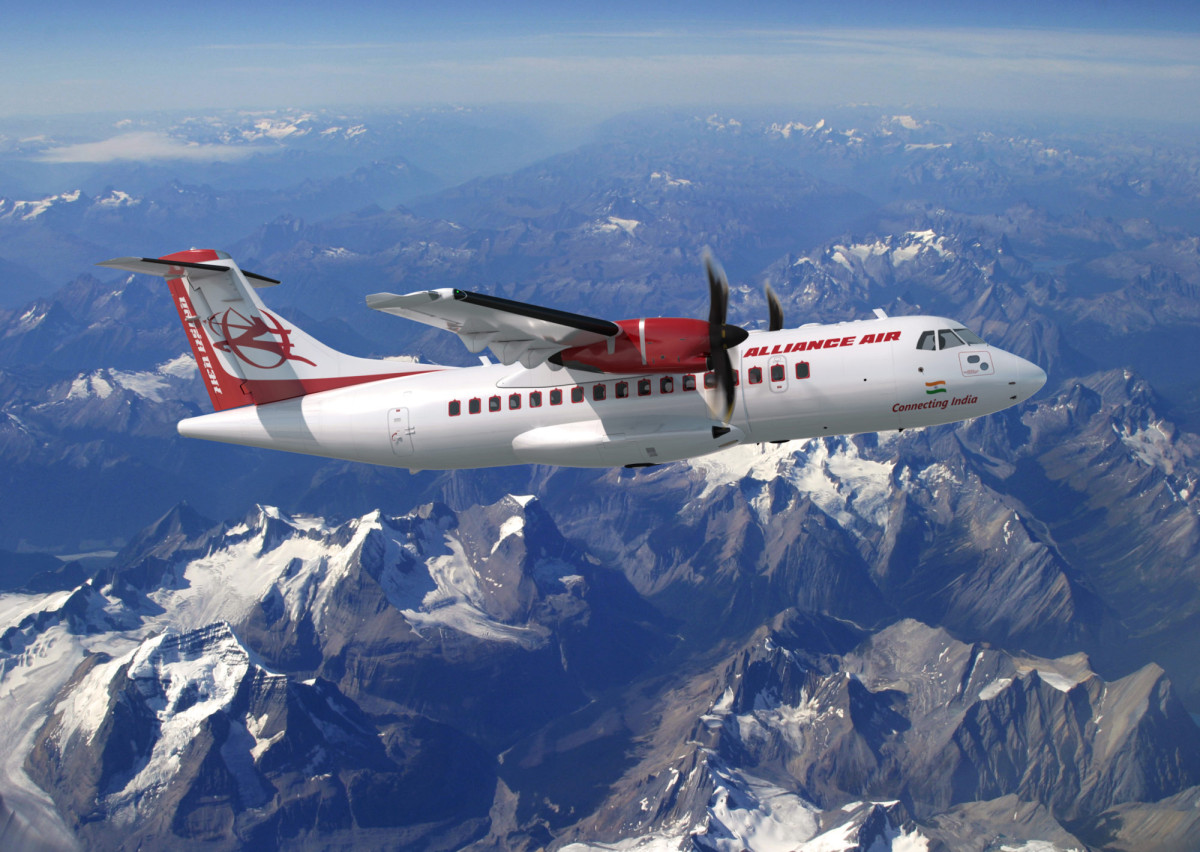
The airline, which operates a fleet primarily composed of ATR 72-600 and ATR 42-600 turboprops suitable for Tier-2 and Tier-3 airports, is specifically targeting passengers who travel frequently between these smaller cities.
The move comes as part of a broader push to democratize air travel, a concept Mirchandani suggests should extend beyond just ticket prices. He points to airport amenity initiatives, such as the UDAN Yatri Cafes offering low-cost refreshments, as examples of measures that hold immense value for regular passengers.
While the 'Fare Se Fursat' model is currently a pilot program, its success could have significant implications for India’s entire domestic market. Industry attention will be focused on the operational feasibility and passenger response, and whether this state-driven initiative compels private carriers to adapt their dynamic pricing strategies to better serve the common domestic traveller.








From Facebook